
Mike Prenesti, The Mortgage Jedi
16 years helping Las Vegas homebuyers find the right loan. NMLS #1033445.
Buyers hear "lock your rate" constantly and assume it means something simple, the number is frozen, done. It is more nuanced than that, and understanding the actual mechanics protects you from a surprise close to closing day.
What a Rate Lock Actually Does
A rate lock is a written agreement between you and your lender guaranteeing a specific interest rate for a defined period of time, typically while your loan moves through underwriting toward closing. Once locked, your rate will not move with the market, even if rates rise the next day.
This protection only applies to the rate itself. Other terms of your loan, your loan amount, your program, your credit qualification, can still change if your file changes materially before closing.
How Long a Lock Actually Lasts
Lock periods commonly run 15, 30, 45, or 60 days, though longer options exist for specific situations like new construction with an extended timeline. The shorter the lock period, the better the rate typically is, since the lender is taking on less risk over a shorter window.
Most standard purchases in this market close comfortably within a 30 to 45 day lock. New construction, a renovation loan, or any file with a longer runway to closing usually needs a longer lock period built in from the start, not requested as an afterthought once time is already running short.
What Happens If Your Lock Expires Before Closing
This is where buyers get caught off guard. If your closing slips past your lock expiration date, whether because of a delayed appraisal, a title issue, or a seller-side holdup, your locked rate does not automatically carry forward. You are either extending the lock, sometimes for a fee, or relocking at whatever the current market rate happens to be that day.
Extension costs and relock policies vary by lender. Ask upfront what your specific lender charges for an extension before you need one, not after you are already staring at a closing delay.
Float-Down Options: Locking In Without Locking Out
A float-down is an option some lenders offer that lets you lock in a rate now but still capture a lower rate if the market improves before closing. It typically comes with conditions, a minimum rate improvement threshold, a fee, or a window during which the float-down request has to be made.
This is worth asking about directly, since it does not come standard on every loan program and every lender prices it differently. If your instinct is to lock now but you are nervous about missing out on a drop, a float-down option is the actual answer to that worry, not waiting to lock at all.
Why "Waiting to Lock" Is Usually the Wrong Move
Some buyers try to time the market, waiting to lock until rates look like they are about to drop. This rarely works out the way people hope. Rates can move against you just as easily as they move in your favor, and an unlocked rate leaves your monthly payment, and your qualifying numbers, exposed to daily market movement right up until you do lock.
Locking with intention once you are under contract protects your numbers. If rates genuinely improve later, refinancing remains a real option down the road.
What Locking Does Not Protect You From
A rate lock does not protect your loan amount, your program, or your approval if your financial picture changes materially during the process, a new debt, a job change, a dip in credit score. It also does not protect against delays that push you past the lock window, which is why understanding your lender's extension policy matters just as much as the lock itself.
The Real Question to Ask Your Lender
Before you lock, ask exactly three things. How long is this lock good for. What happens, and what does it cost, if we do not close in time. Is a float-down option available on this program. Those three answers tell you more about your actual protection than the rate number alone.
Let's Lock In With a Real Plan, Not a Guess
Timing a rate lock should not feel like gambling. Let's talk through your actual closing timeline and make sure your lock period, and your protections, actually match it.
Get started here or book a call and let's get your lock strategy right from the start.
Have questions about your situation?
Let's talk it through. No pressure, no obligation.
Book a Free ConsultationRelated Posts

5 Credit Score Myths That Are Costing Homebuyers Money
Checking your own credit doesn't hurt your score. Closing old cards usually makes things worse. Here's what's actually true.
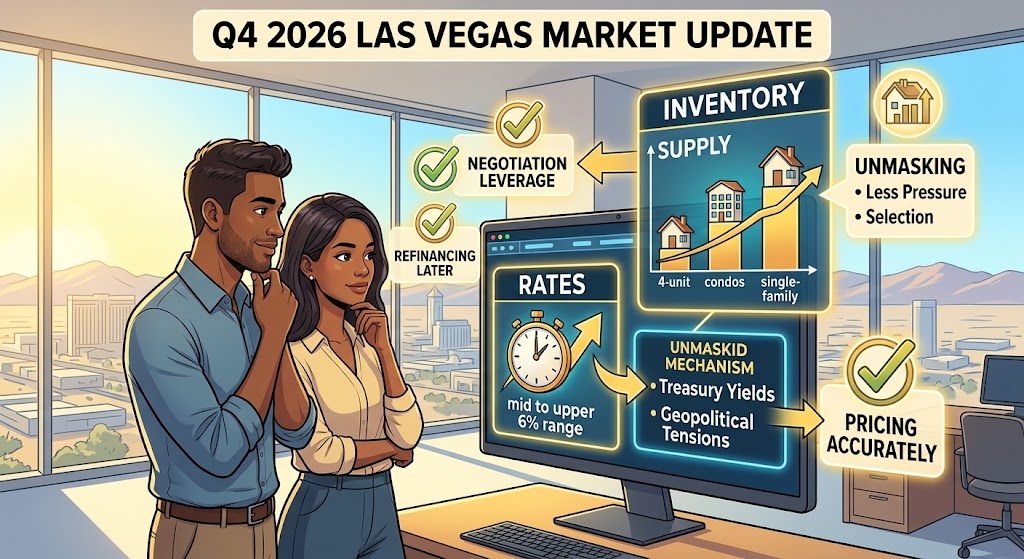
Q4 2026 Market Update: Where Rates and Inventory Actually Stand Right Now
Rates sit near a one-year high and inventory keeps climbing. Here is an honest look at what that combination actually means for buyers and sellers heading into Q4.

Why Autumn Is an Underrated Time to Buy a Home in Las Vegas
Everyone assumes spring is the only real window to buy. Fall quietly offers less competition, more motivated sellers, and buyers who know it end up ahead.